
Cannula – The Essential Tool for Safe and Precise Medical Procedures
A cannula is one of the most vital tools in modern medicine, designed for precision, safety, and control during a wide range of medical and aesthetic procedures. Whether used for fluid infusion, blood collection, liposuction, or dermal filler injections, syringe with needle have redefined patient comfort and clinical efficiency.
This in-depth guide explores the types, functions, benefits, and uses of cannulas, highlighting why they are indispensable in today’s healthcare and cosmetic industries.
What Is a Cannula | Syringe with Needle
?
A cannula is a thin, flexible tube inserted into a vein, cavity, or tissue to deliver or withdraw fluids or to provide access for surgical instruments. Unlike a sharp needle, the cannula’s blunt or rounded tip minimizes trauma, making it a safer and more comfortable alternative in many applications.
Cannulas are made from medical-grade stainless steel or flexible polymers, ensuring durability, sterility, and compatibility with various medical devices. Their versatility makes them essential across hospitals, clinics, and aesthetic centers worldwide.
Structure and Design of a Cannula
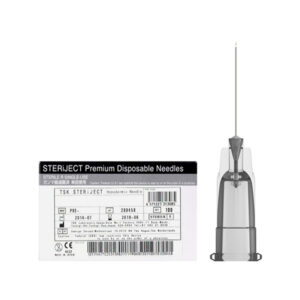
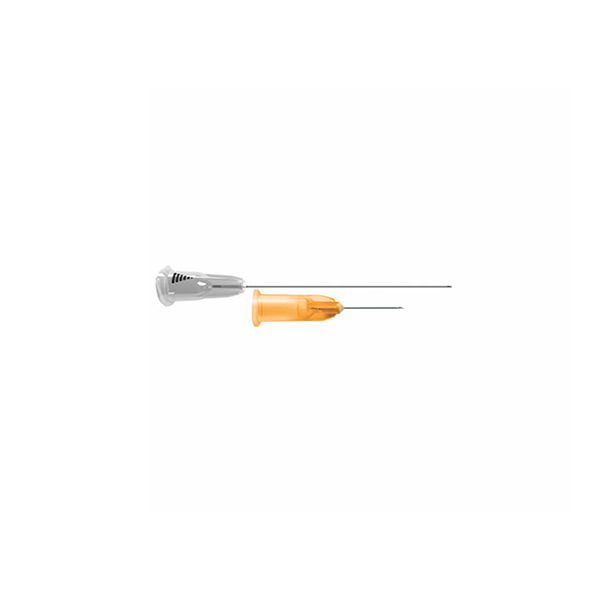
A cannula consists of three key components:
- Hub – The base that connects to syringes or tubing, often designed with Luer Lock or Luer Slip fittings for a secure connection.
- Tube (Shaft) – A hollow, slender tube that allows the transfer of fluids or substances.
- Tip – The distal end, available in various shapes such as blunt, round, or angled, depending on the intended procedure.
This design allows for precise fluid delivery, minimal bruising, and superior control during procedures.
Types of Cannulas
Different medical and cosmetic applications require specific types of cannulas. Below are the most common variants:
1. Intravenous (IV) Cannula
Used to deliver fluids, medications, or blood products directly into the bloodstream. IV cannulas come in different gauges (sizes), allowing healthcare providers to select based on the patient’s condition and vein size.
2. Nasal Cannula
A device used to deliver supplemental oxygen through two prongs inserted into the nostrils. It ensures a continuous flow of oxygen for patients with respiratory conditions.
3. Microcannula
Popular in aesthetic medicine, microcannulas are flexible and have blunt tips, ideal for injecting dermal fillers and fat transfers. They reduce the risk of bruising and vessel injury compared to traditional needles.
4. Liposuction Cannula
These cannulas are larger and designed to remove fat deposits during body contouring or liposuction procedures. They come in various shapes and sizes to target different areas effectively.
5. Arthroscopy Cannula
Used in minimally invasive surgeries, this cannula allows surgeons to insert cameras or instruments into joints for diagnostic or therapeutic purposes.
How a Syringe with Needle
Works
The mechanism of a cannula depends on its type and application. In general, the cannula provides access to body cavities or veins for either fluid removal or insertion. In aesthetic procedures, microcannulas are inserted through a small entry point, allowing even and smooth filler distribution without multiple punctures.
This technique significantly reduces patient pain, swelling, and recovery time. In medical use, cannulas are crucial for hydration therapy, blood transfusions, and emergency drug delivery.
Advantages of Using a Syringe with Needle
1. Enhanced Patient Safety
The blunt-tip design of many cannulas minimizes the risk of vascular injury, bleeding, or intravascular injection.
2. Reduced Pain and Bruising
Compared to needles, cannulas cause less trauma to tissues, ensuring a more comfortable experience for patients, especially in aesthetic treatments.
3. Precise Control
Their flexibility allows clinicians to navigate delicate areas with greater accuracy, reducing the chance of errors and uneven product distribution.
4. Improved Efficiency
Cannulas allow for larger coverage areas with fewer entry points, making procedures faster and less invasive.
5. Versatility
From medical infusions to cosmetic enhancements, cannulas are adaptable to a wide range of procedures.
Applications of Syringe with Needle
in Medicine and Aesthetics
Medical Applications
- IV Therapy: For hydration, medication delivery, and transfusions.
- Surgery: Used to drain fluids, provide access for instruments, or deliver anesthesia.
- Oxygen Therapy: Through nasal cannulas for respiratory support.
- Emergency Medicine: Rapid infusion in trauma or shock cases.
Aesthetic and Cosmetic Applications
- Dermal Fillers: Cannulas ensure even filler placement with minimal bruising.
- Fat Grafting: Transfer of fat cells with precision and reduced tissue damage.
- Mesotherapy: Administering vitamins and enzymes under the skin.
Cannulas are the preferred tool for modern injectors seeking safety and precision in facial rejuvenation treatments.
Materials Used in Cannula | Syringe with Needle
Manufacturing
High-quality cannulas are made from biocompatible materials that guarantee performance and patient safety.
- Stainless Steel: Common for medical cannulas due to its durability and resistance to corrosion.
- PTFE (Polytetrafluoroethylene): Offers flexibility and smooth insertion.
- Silicone: Used in nasal cannulas for comfort and soft contact with the skin.
- Plastic (Polypropylene): Lightweight and disposable, ensuring hygiene.
Each material is chosen based on the intended procedure and required flexibility.
Choosing the Right Syringe with Needle
Selecting the correct cannula ensures both procedure success and patient satisfaction. Factors to consider include:
- Gauge size: Thinner gauges for fine injections; thicker for fluid extraction.
- Length: Varies by treatment area (short for face, long for body).
- Tip type: Blunt tips for fillers; sharp tips for blood draws.
- Material: Stainless steel or flexible plastic depending on use.
Professionals always match the cannula specifications to the patient’s anatomy and procedural goals.
Safety and Handling Guidelines OF Syringe with Needle
To maintain the highest safety standards, proper handling is essential:
- Always inspect packaging integrity before use.
- Use sterile, single-use cannulas to avoid contamination.
- Dispose of used cannulas in approved sharps containers.
- Never reuse or attempt to re-sterilize cannulas.
- Follow institutional and international health regulations.
Adhering to these protocols ensures infection prevention and safe clinical environments.
Innovations in Syringe with Needle Technology
Recent advances in cannula technology have improved both patient outcomes and practitioner control. Modern developments include:
- Flexible polymer microcannulas for enhanced mobility.
- Laser-cut precision tips for smoother insertion.
- Ergonomic hubs for better grip and control.
- Pre-lubricated coatings to minimize resistance during procedures.
These innovations make cannulas more effective, reliable, and comfortable than ever before.
Why Syringe with Needle
Are Revolutionizing Modern Medicine
The use of cannulas represents a major step forward in minimally invasive treatment. They enhance safety, precision, and comfort—three critical factors in today’s healthcare landscape. Their role in both functional and aesthetic medicine continues to grow as technology advances and practitioners seek safer, more efficient tools.
Conclusion
The cannula is not merely a medical accessory—it is a precision-engineered instrument that redefines patient safety and procedural accuracy. Whether for life-saving infusions or aesthetic enhancements, cannulas continue to elevate medical standards globally.
At the core of their success lies innovation, reliability, and a commitment to improving patient experiences. As the healthcare industry evolves, the cannula remains a symbol of progress, efficiency, and trust.